


-

Add: HeBei ShengShi HongBang Cellulose Technology CO.,LTD.
-

Email
13180486930@163.com -

CONTACT US
+86 13180486930


Polyolefin fibers, an essential component in the textile and manufacturing industries, have significantly gained attention due to their versatile applications and superior qualities. These fibers, derived from polymers such as polypropylene and polyethylene, offer a unique combination of properties that cater to numerous industrial needs, enhancing both product performance and durability. One of the most significant advantages of polyolefin fibers is their exceptional resistance to moisture. This property makes them an ideal choice for outdoor applications, where exposure to environmental elements like rain and humidity can quickly degrade other materials. For instance, agricultural fabrics designed to protect crops from the elements heavily rely on polyolefin fibers due to their robust water-repellent characteristics, ensuring longevity and consistent performance across seasons. Moreover, the high tensile strength of polyolefin fibers contributes importantly to their value in various industries. Their ability to withstand considerable stress without breaking or deforming makes them suitable for manufacturing high-strength ropes, fishing nets, and even geotextiles used in construction projects. This inherent strength not only extends the lifespan of the products made from these fibers but also enhances their reliability in critical applications, where failure is not an option. A prominent feature of polyolefin fibers is their inherent resistance to chemical attacks. This characteristic is particularly beneficial in environments where exposure to harsh chemicals or solvents is a concern, such as in industrial filtration systems or packaging materials. Products made from polyolefin fibers do not easily degrade when in contact with chemicals, ensuring both product integrity and safety over time. In the arena of sustainability, polyolefin fibers present a commendable profile. They are fully recyclable and contribute less to the overall carbon footprint compared to some other synthetic fibers. Their production process, largely driven by advances in polymer technology, has become more energy-efficient, allowing manufacturers to produce these fibers with reduced environmental impact. This aspect of sustainability positions polyolefin fibers favorably among environmentally conscious businesses aiming to incorporate more eco-friendly materials into their product lines. polyolefin fiber The light-weight nature of polyolefin fibers is another enticing benefit, leading to two major advantages—ease of handling and reduced transportation costs. Their low density results in lighter end products, which is particularly beneficial for applications in the automotive and aerospace industries, where weight reduction translates to improved fuel efficiency and performance. Polyolefin fibers thus contribute to overall cost savings , benefiting both manufacturers and end consumers. While the advantages are clear, incorporating polyolefin fibers into applications requires careful consideration of certain technical properties. Polyolefin fibers have a relatively low melting point compared to other synthetic fibers, which can be a limiting factor in high-temperature applications. However, this limitation is often addressed in innovative ways by blending polyolefin fibers with other materials or using them in environments where their low thermal resistance is not an issue. The expertise and authority of polyolefin fiber production have been greatly advanced by leading companies and research institutions globally. Their focus remains on refining the production processes and enhancing the fiber’s properties to meet the ever-evolving demands of the market. Extensive research and development activities ensure these fibers remain at the forefront of innovation, maintaining their status as a reliable and versatile material choice. Trustworthiness in the field of polyolefin fibers is further reinforced by strict compliance with international standards and certifications, which oversee the quality and environmental impact of these materials. Reputable manufacturers provide comprehensive data and transparency about their products, allowing consumers to make informed decisions based on verified performance metrics. In conclusion, polyolefin fibers represent a remarkable blend of performance, durability, and sustainability, making them indispensable across a variety of industrial sectors. Their distinctive properties provide tangible benefits, from extending product life to reducing environmental impacts, ensuring that polyolefin fibers will continue to be a material of choice for innovative solutions well into the future.
- 40000tons

Production
- 20+years

Experience
- 5000+㎡

Acreage

-
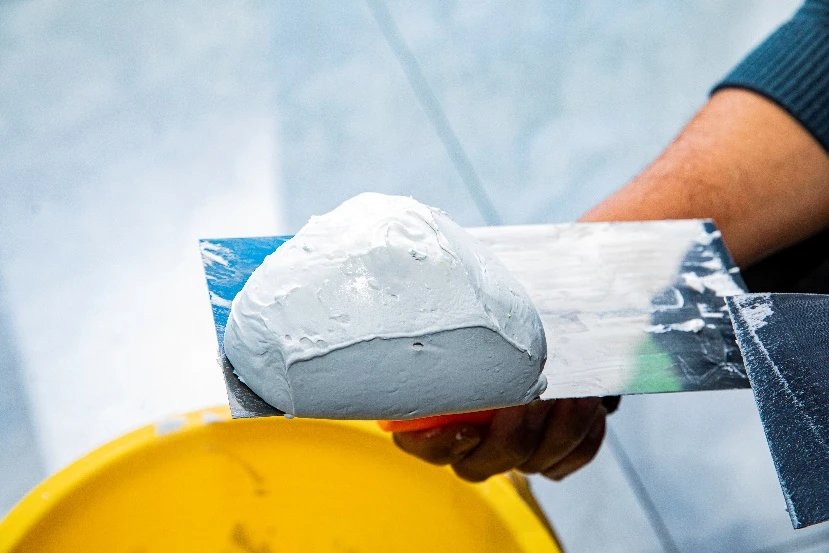
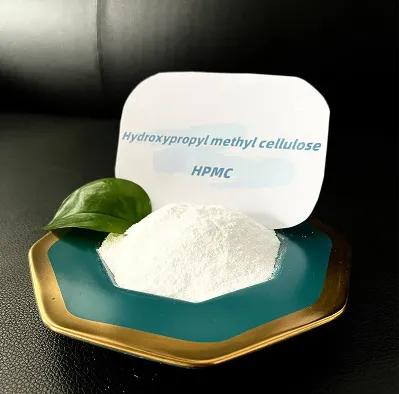
Hydroxypropyl methyl cellulose (HPMC) serves as a multifunctional polymer , gaining prominent attention across various industries due to its versatile nature. This formidable compound is a crucial component in pharmaceuticals, food products, personal care items, and construction materials. Its extensive applicability is owed to its unique properties, such as forming films, retaining moisture, and acting as a thickening agent. In pharmaceuticals, HPMC is praised for its role as an excipient in drug formulation. Its ability to control the release of active ingredients makes it invaluable for sustained-release medication. Clinical expertise confirms that HPMC’s inert behavior and biocompatibility ensure it doesn't interfere with drug efficacy, making it a go-to solution for developing efficient, patient-friendly pharmaceutical products. Research reports from credible institutions have consistently demonstrated that its consumption is safe, which garners trust among consumers and professionals alike. From an expertise standpoint, the construction industry benefits significantly from HPMC’s superior performance as an adhesive and thickening agent in tile adhesives, cement renders, and plasters. Its inclusion enhances workability, water retention, and open time, critical parameters in achieving durable and high-quality finishes. Renowned civil engineering manuals and authoritative construction experts frequently cite HPMC as a key ingredient in modern building materials, underscoring its authoritative stance in construction practices. The food industry's adoption of HPMC is equally robust, where it functions as an emulsifier and stabilizer. In gluten-free and vegetarian formulations, HPMC is highly valued for its ability to mimic the texture and structural properties that gluten provides. Professional food technologists often assert that this cellulose derivative is a game changer in creating palatable and appealing food products without compromising nutritional benefits. hpmc hydroxypropyl methyl cellulose In personal care, HPMC’s film-forming capabilities make it a primary component in shampoos, lotions, and creams. It offers moisture retention, enhancing the sensory feel and stability of cosmetic products. Dermatological studies endorse the incorporation of HPMC in skin care formulas for its hypoallergenic properties, fortifying its reputation for safety and effectiveness. Experience continues to reinforce HPMC's reliability across these domains. As companies have shifted towards more sustainable practices, HPMC has emerged as an environmentally friendlier alternative to synthetic chemicals, being biodegradable and ethically sourced from cellulose. Through decades of consistent application and research, experts have cemented its role as both a high-performance ingredient and a benchmark of integrity in product formulation. The trustworthiness of HPMC is not just anecdotal but statistically significant. Extensive laboratory testing and market analysis showcase its consistent quality and conformity to stringent international standards. This ensures that manufacturers and consumers can rely on HPMC without reservations about safety or performance, securing its place as a cornerstone in diverse product lines. As industries further explore innovative applications, the future of HPMC remains bright, backed by a rich foundation of experience, expertise, authority, and trustworthiness—qualities that continue to drive its global appeal and usage in product innovation.
-
يمكن أن يتساءل الكثيرون حول فعالية وقوة استخدام الغراء HPMC في مجالات البناء والتشييد. هذا المنتج ليس مجرد مادة لاصقة تقليدية؛ بل هو ابتكار حديث في عالم المواد اللاصقة، يرتكز على تجربة استخدام تتسم بالإبداع والجودة العالية. تجربة استخدام HPMC adhesive تعتمد بشكل كبير على تقديم حلول مبتكرة ومستدامة للمهندسين والمعماريين. إن استخدام الغراء HPMC يعزز من متانة البناء، حيث إنه يتميز بخصائص تجعله خيارًا مثاليًا للمشاريع التي تتطلب دقة في الأداء واستمرارية في الجودة. الأشخاص الذين عملوا مع HPMC adhesive وجدوا أنه يمتلك قدرة فائقة على التحمل في مختلف الظروف البيئية، مما يجعله مناسبًا لمجموعة واسعة من التطبيقات سواء في الأجواء الرطبة أو الجافة. الخبرة في العمل مع HPMC تتطلب فهمًا عميقًا لتركيبته الكيميائية التي تعتمد على السليلوز، المعروف بكونه مادة طبيعية بيولوجية تمامًا. هذه التركيبة تجعل من الغراء HPMC مادة صديقة للبيئة، حيث أنها لا تحتوي على أي مكونات سامة . بفضل هذه الخصائص، يتميز الغراء بقدرته على الربط الفعال للمواد المختلفة مثل البلاط، والرخام، وحتى الزجاج، دون ترك أي آثار ضارة على البيئة أو على صحة الإنسان. HPMC اللاصق من الناحية المهنية، لا شك أن HPMC adhesive يُنظر إليه كمادة رائدة بالمجال بسبب قدرته على تقليل الهوامش الخطأ أثناء الإنشاءات. المهندسون العرب الذين جربوا هذه المادة أكدوا على سهولة استخدامها وفعاليتها في الخلط مع مواد البناء الأخرى لخلق قوام متجانس يزيد من كفاءة العمل ويقلل من الوقت المستغرق لإنجاز المشاريع الكبيرة. أما بالنسبة للموثوقية، فإن منتجات HPMC تصدر دومًا عن شركات معترف بها في مجال البناء، حيث تخضع لاختبارات صارمة للتأكد من أنها تلبي أعلى معايير الجودة العالمية. يشيد المهنيون في هذا المجال بالدعم الفني الذي توفره الشركات المصنعة، والذي يتضمن إرشادات مفصلة وتوجيهات حول كيفية تحقيق أقصى استفادة من الغراء HPMC في المشاريع المختلفة. في الختام، يمثل غراء HPMC adhesive حقبة جديدة في عالم البناء، جامعاً بين الكفاءة والجودة، والتوافق البيئي. إن موثوقيته المهنية ومزاياه المتعددة جعلته المنتج الأكثر رواجًا بين المختصين في القطاعات الإنشائية، مما يعزز من موقعه كخيار أول لمن يسعون لإيجاد حلول لاصقة تعتمد على التكنولوجيا المتقدمة والابتكار. إذا كنت تبحث عن مادة لاصقة تجمع بين الخبرة المتقدمة والثقة المهنية في آن واحد، فإن HPMC adhesive هو بالتأكيد الخيار الذي يجب أن تفكر فيه.
advantages
-

200000 Viscosities
Excellent product
We can produce pure products up to 200,000 viscosities
-

40000 tons
High yield
We don’t stop production all year round, and the annual output can reach 40,000 tons
-

24 hours
Quality service
We provide 24-hours online reception service, welcome to consult at any time
———— Inquiry Form
Schedule A services


-
 hydroxypropyl_methylcellulose_k4m
Oct . 25, 2025
In the ever-evolving landscape of industrial and pharmaceutical applications, understanding the dist -
 fiber_polypropen_kwa_ajili_ya_kuuza
Oct . 25, 2025
Different Types of Synthetic Fibers Synthetic fibers have revolutionized the textile industry since -
 is_hpmc_water_soluble
Oct . 25, 2025
Cellulose ether HPMC (Hydroxypropyl Methylcellulose) has emerged as a significant player in the real


